Dec 11, 2025
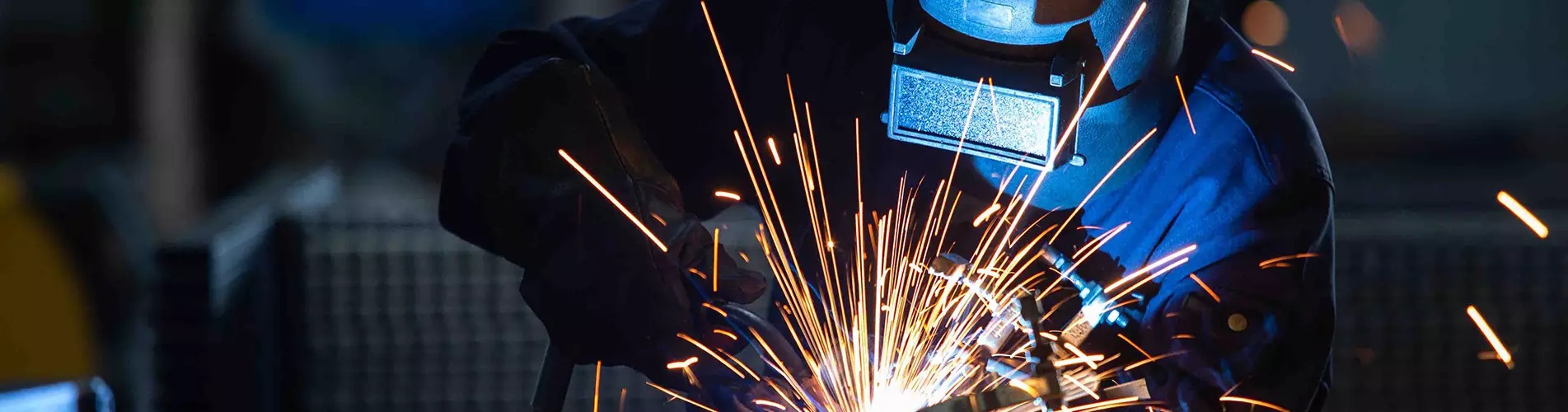
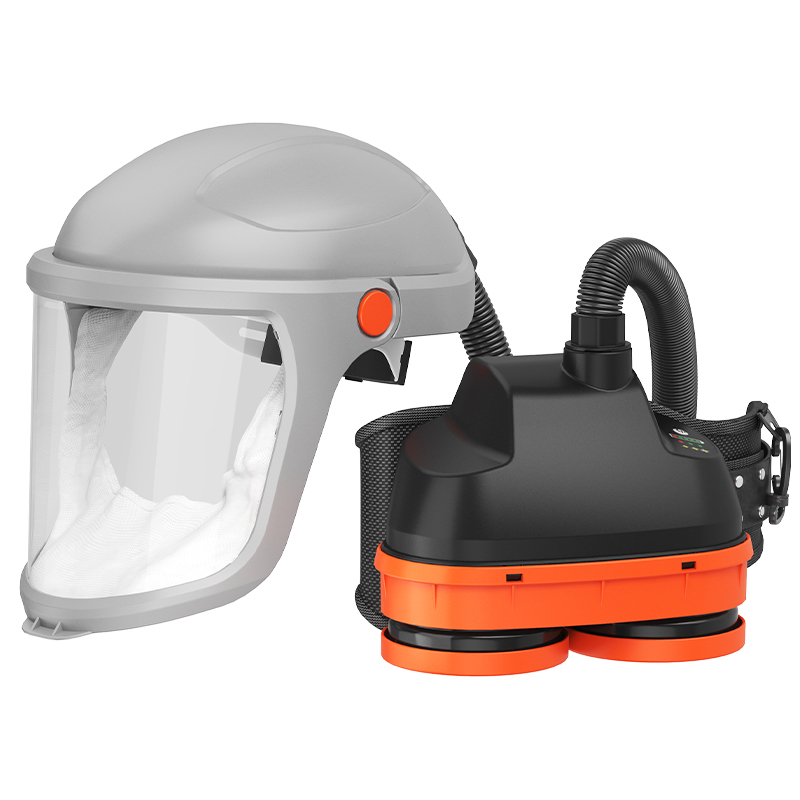
A pintura automotiva é uma tarefa que impõe requisitos rigorosos tanto em termos de precisão do processo quanto de saúde dos profissionais. Ela não só precisa garantir um acabamento de pintura liso e uniforme, com cor consistente, como também lidar com diversas substâncias nocivas presentes na operação. Durante o processo de pintura, desde o primer e a tinta base até o verniz, materiais perigosos como partículas de névoa de tinta, vapores orgânicos e Compostos Orgânicos Voláteis (COVs) estão por toda parte. Máscaras comuns contra poeira ou semimáscaras dificilmente oferecem proteção completa; pior ainda, sua alta resistência à respiração pode afetar a estabilidade operacional. Como equipamento de proteção individual,máscara facial movida a ar O respirador com purificação de ar motorizada (PAPR) tornou-se uma "barreira protetora padrão" em aplicações de pintura automotiva, graças às suas vantagens de fornecimento ativo de ar e filtragem de alta eficiência. Hoje, vamos explorar os principais motivos pelos quais o PAPR é essencial para a pintura automotiva e como selecionar o modelo certo para cada situação. As particularidades do ambiente de pintura automotiva fazem com que os equipamentos de proteção individual (EPIs) comuns estejam longe de atender às exigências — e esse é exatamente o principal valor dos respiradores com purificação de ar motorizada (PAPR). Primeiramente, o processo de pintura produz partículas de névoa de tinta com diâmetro de apenas 0,1 a 10 mícrons. Essas partículas finas podem penetrar facilmente em máscaras comuns e, a inalação prolongada, se depositam nos pulmões, levando a doenças ocupacionais como a pneumoconiose. Além disso, os solventes presentes na tinta (como tolueno e xileno) volatilizaram-se em vapores orgânicos de alta concentração. As máscaras comuns de carvão ativado têm capacidade de adsorção limitada e se saturam, tornando-se ineficazes em pouco tempo. Em segundo lugar, a pintura automotiva frequentemente exige posturas complexas, como curvar-se e inclinar-se lateralmente por longos períodos. A resistência respiratória das máscaras comuns aumenta com o tempo de uso, fazendo com que os operadores respirem com dificuldade e percam a concentração, o que, por sua vez, afeta a precisão do acabamento da pintura. Respirador purificador de ar com pressão positiva e capacete de segurança Fornece ar limpo ativamente através de um ventilador elétrico, que não só oferece resistência respiratória quase nula, como também bloqueia mais de 99,97% das partículas finas e vapores nocivos graças a componentes de filtragem de alta eficiência, equilibrando proteção e conforto operacional. Além da proteção básica, o sistema PAPR também pode melhorar indiretamente a qualidade do processo de pintura automotiva — outro fator crucial que o torna uma necessidade na indústria. Se os equipamentos de proteção comuns não forem herméticos, a poeira externa entrará pela fresta entre a máscara e o rosto. Essa poeira adere à superfície da tinta ainda úmida, formando "manchas de poeira" e aumentando os custos de retrabalho. No entanto, as máscaras PAPR são geralmente projetadas como máscaras faciais completas ou semifaciais, e o anel de vedação elástico garante um ajuste perfeito ao rosto, impedindo eficazmente a entrada de poluentes externos. Mais importante ainda, o sistema de suprimento de ar ativo do PAPR cria um ambiente de leve pressão positiva dentro da máscara. Mesmo que haja uma pequena fresta na máscara, o ar limpo fluirá para fora, em vez de permitir a entrada de poluentes externos. Isso evita fundamentalmente defeitos causados por poeira na superfície da pintura, o que é particularmente crucial para a pintura de alta precisão em automóveis de luxo. Escolher o certo Respirador com suprimento de ar elétrico O modelo é um pré-requisito para exercer efeitos protetores. Para cenários de pintura automotiva, dois indicadores principais — "tipo de componente do filtro" e "modo de fornecimento de ar" — devem ser o foco. Em termos de necessidades de filtragem, os principais poluentes na pintura automotiva são poluentes compostos de vapores orgânicos e partículas de névoa de tinta. Portanto, um sistema de filtragem combinado de "cartucho para vapor orgânico + algodão filtrante HEPA de alta eficiência" deve ser selecionado: o cartucho pode absorver vapores de solventes orgânicos como tolueno e acetato de etila, enquanto o algodão filtrante HEPA bloqueia partículas finas de névoa de tinta. A combinação dos dois proporciona uma filtragem abrangente. Em termos de modo de fornecimento de ar, recomenda-se priorizar o "PAPR portátil alimentado por bateria". É leve (geralmente de 2 a 3 kg) e tem uma autonomia de bateria de 8 a 12 horas, o que pode atender à demanda de pintura contínua ao longo do dia. Além disso, não é limitado por mangueiras de ar externas, permitindo que os operadores se movimentem livremente ao redor da carroceria do veículo — ideal para pintar peças como portas e capôs. Vale ressaltar que a seleção de um sistema de respiração autônoma com purificação de ar (PAPR) para pintura automotiva também deve levar em consideração os padrões da indústria e detalhes práticos. O PAPR não é um "equipamento opcional" para pintura automotiva, mas sim uma "ferramenta indispensável" para proteger a saúde e a qualidade do processo. Escolher o modelo certo e realizar a manutenção adequada pode tornar as operações de pintura mais seguras e eficientes. Para saber mais, clique aqui. www.newairsafety.com.
LEIA MAIS




 Rede IPv6 suportada