Jun 09, 2026
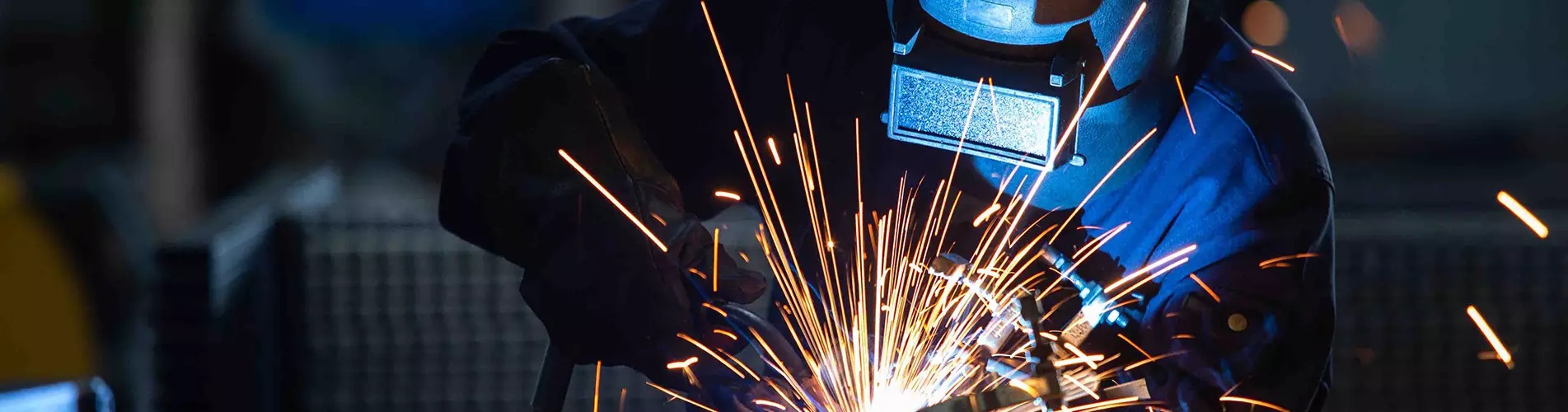
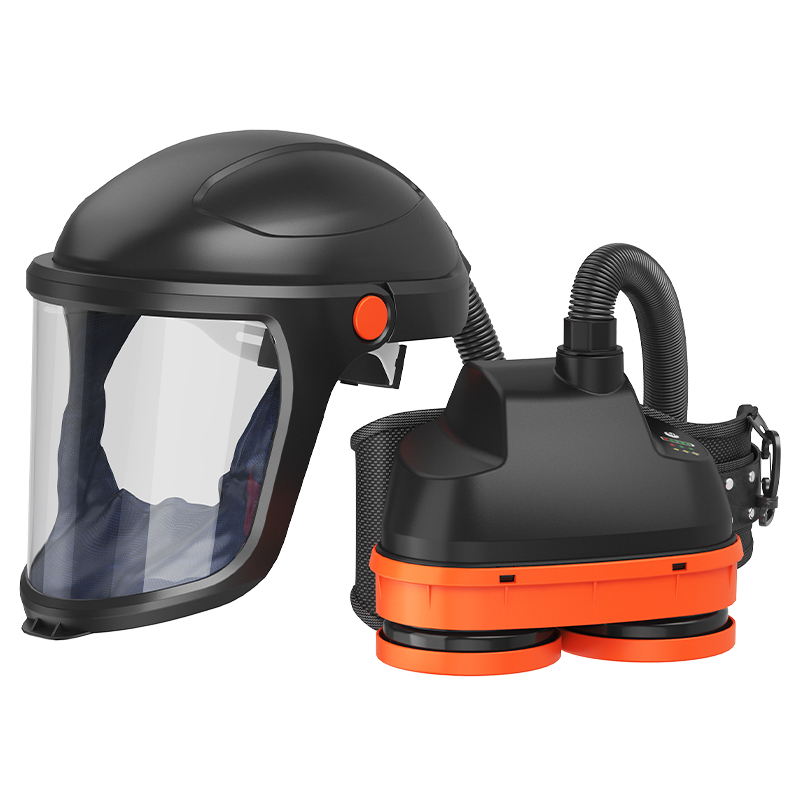
O trabalho industrial com grande exposição à poeira muitas vezes deixa os trabalhadores com dificuldades com os respiradores descartáveis tradicionais, que apresentam alta resistência à respiração, embaçamento constante da viseira e sensação desconfortável de abafamento durante longos turnos. O BXH-3003 TM3 respirador de ar pessoal (PAPR) O purificador de ar NEW AIR resolve esses problemas comuns com fluxo de ar de pressão positiva consistente e uma eficiência de filtragem de partículas finas de 99,97%. Totalmente certificado pela norma europeia EN 12942, este aparelho foi projetado especificamente para proteção contra poeira de partículas sólidas. Seu filtro auxiliar de carvão ativado proporciona apenas uma leve redução de odores para maior conforto durante o uso, mas não oferece proteção contra fumos tóxicos, vapores químicos ou gases perigosos. Este guia detalha seus cenários ideais de aplicação industrial e comercial com base nas especificações técnicas.1. Cenários da Indústria Pesada: Retificação e Corte de Metais Oficinas de retificação contínua de aço, polimento de solda e corte de metais geram grandes volumes de cavacos metálicos e poeira metálica fina, que podem facilmente causar pneumoconiose após inalação prolongada. O respirador BXH-3003 oferece três velocidades de fluxo de ar ajustáveis, com uma vazão máxima de 130 L/min, proporcionando um suprimento robusto de ar forçado que facilita a respiração mesmo durante trabalhos físicos intensos. A unidade opera com um nível de ruído inferior a 65 dB, evitando interrupções na comunicação entre os funcionários da oficina. Excluindo a bateria, o respirador pesa apenas 542 g e seu arnês ergonômico distribui o peso uniformemente; os trabalhadores sentem mínima tensão nos ombros mesmo após 8 horas consecutivas de operação. O filtro de grau TM3 intercepta com confiabilidade partículas metálicas ultrafinas com uma taxa de filtração de 99,97%, impedindo a entrada de poeira na máscara facial completa, tornando-o um equipamento de proteção individual (EPI) padrão para oficinas de usinagem. 2. Construção e Reforma: Lixamento de Paredes, Aplicação de Massa Corrida Tarefas de construção residencial e comercial, incluindo lixamento de gesso, ranhuramento de paredes, corte de pedra natural, renovação de fachadas e mistura de concreto, geram altas concentrações de poeira de concreto, poeira de gesso e poeira de sílica prejudicial. As máscaras descartáveis padrão N95/FFP2 entopem rapidamente durante o trabalho contínuo, resultando em aumento da resistência respiratória e redução da produtividade. O BXH-3003 suporta até 11 horas de operação com baixo fluxo de ar com apenas 2,5 horas de carga completa, cobrindo facilmente uma jornada de trabalho inteira. Sua viseira transparente de visão completa permanece livre de embaçamento graças ao fluxo de ar interno contínuo, eliminando a necessidade de remover a máscara repetidamente para limpeza e maximizando a eficiência do trabalho no local. A almofada de carvão ativado integrada neutraliza odores leves de compostos de gesso e revestimentos básicos, proporcionando conforto. É importante ressaltar que este respirador com purificação de ar motorizada (PAPR) não é adequado para pintura com spray ou exposição a solventes e deve ser usado apenas para processos de construção a seco, com geração de poeira e sem emissões de produtos químicos voláteis. 3. Oficinas de Marcenaria: Corte, Acabamento e Lixamento de Painéis O processamento de madeira maciça, o corte de MDF, o corte de móveis e o lixamento mecânico produzem grandes volumes de poeira fina de madeira e partículas de fibra que irritam o sistema respiratório e causam desconforto ocupacional a longo prazo. Equipado com um duto de ar flexível e um arnês de cabeça em malha ajustável, o BXH-3003 se ajusta de forma firme e segura, evitando vazamentos de poeira mesmo quando os trabalhadores se curvam, inclinam ou se movem com frequência durante a operação. Sistemas inteligentes de alarme duplo são acionados automaticamente em casos de bloqueio do filtro, fluxo de ar insuficiente ou bateria fraca, eliminando a necessidade de verificações manuais frequentes do equipamento e permitindo a implantação em larga escala por equipes. Com uma vida útil do motor de 50.000 horas, este equipamento oferece excelente desempenho e durabilidade. respirador purificador Oferece durabilidade excepcional e baixos custos de manutenção a longo prazo para fábricas de processamento de madeira. Intercepta eficazmente partículas finas de madeira, protegendo os trabalhadores de problemas respiratórios ocupacionais comuns relacionados à madeira. 4. Processamento de grãos e trituração de ração (condições de trabalho propensas à poeira) A triagem, moagem e processamento de ração animal geram poeira de grãos, fibras vegetais e partículas orgânicas finas que frequentemente causam alergias respiratórias e desconforto nos operadores. Alimentado por uma bateria de lítio de 7,4 V de alta estabilidade com mais de 500 ciclos de carga e descarga, o BXH-3003 suporta operação frequente em vários turnos em instalações agrícolas e de processamento de ração. Sua unidade de ventilação traseira evita interferências com ferramentas e obstrução facial durante trabalhos repetitivos. Os usuários podem ajustar livremente três níveis de fluxo de ar com base na densidade da poeira no local; o fluxo de ar máximo de 130 L/min mantém uma pressão positiva estável dentro da viseira para bloquear a infiltração de poeira através das frestas de vedação. A almofada de carbono auxiliar reduz eficazmente os odores de mofo e orgânicos provenientes de grãos armazenados e matérias-primas para ração, melhorando significativamente o conforto durante longos turnos de trabalho. 5. Processamento de Pedra e Fabricação de Monumentos O corte, a escultura e o polimento de mármore, granito e quartzo produzem altos níveis de poeira de sílica cristalina, uma partícula perigosa que causa silicose com exposição prolongada. Atendendo aos rigorosos padrões de segurança europeus EN 12942 TM3, o filtro BXH-3003 atinge 99,97% de eficiência na filtragem de partículas ultrafinas e possui um ciclo de vida útil de 3 anos, reduzindo significativamente a frequência de substituição de consumíveis e os custos operacionais. Pesando apenas 720 g com a bateria instalada, seu design ergonômico e leve elimina a fadiga do trabalhador durante longas horas de operações manuais de corte e escultura. Lembrete de segurança importante: apesar da camada de carbono integrada, este respirador purificador de ar motorizado (PAPR) destina-se exclusivamente à proteção contra poeira de partículas. Ele não resiste a vapores químicos tóxicos provenientes de vernizes para pedra, revestimentos protetores e adesivos químicos. Seu uso é estritamente proibido em processos de tratamento químico, coloração e imersão em solventes. 6. Saneamento, descarte de resíduos e operações de mineração a céu aberto Ambientes de trabalho externos, incluindo limpeza de vias públicas, transporte de resíduos de construção, remoção de estéril em mineração a céu aberto e movimentação de material a céu aberto, apresentam poeira suspensa contínua e desorganizada. O arnês de ombro largo e totalmente ajustável do BXH-3003 acomoda operadores de todos os tipos físicos, proporcionando conforto durante todo o dia. Compatível com tensão universal de 110V a 240V, o carregador se adapta a fontes de alimentação de canteiros de obras globais, permitindo carregamento flexível em ambientes externos. Alarmes sonoros e visuais integrados para bateria fraca e falha no fluxo de ar previnem falhas inesperadas de proteção durante operações em campo. O sistema de ventilação com pressão positiva contínua resiste eficazmente ao refluxo de poeira, mesmo em condições de vento e poeira ao ar livre, tornando-o uma solução confiável de proteção contra poeira industrial para equipes de saneamento e trabalhadores de mineração a céu aberto em todo o mundo. Com ventilação ativa de pressão positiva, bateria de longa duração e filtragem de partículas de alta eficiência, o BXH-3003 papr respiratório É uma solução de proteção profissional e econômica para todas as aplicações industriais com poeira seca. Seu limite de proteção é claramente definido: bloqueia exclusivamente partículas sólidas em suspensão no ar, enquanto o filtro de carvão ativado auxiliar oferece apenas uma leve redução de odores, sem capacidade de filtragem de gases. Para ambientes de trabalho que envolvem pulverização química, processamento industrial, galvanoplastia e riscos de gases tóxicos, o uso de equipamentos respiratórios à prova de gases é obrigatório. Ao combinar este respirador PAPR de grau TM3 com os procedimentos padrão de trabalho com poeira, as empresas podem atender integralmente às normas europeias de segurança do trabalho EN, reduzir a fadiga dos trabalhadores, minimizar os riscos à saúde ocupacional e alcançar uma gestão de segurança padronizada e eficiente no local de trabalho. Para saber mais, clique aqui. www.newairsafety.com.
LEIA MAIS

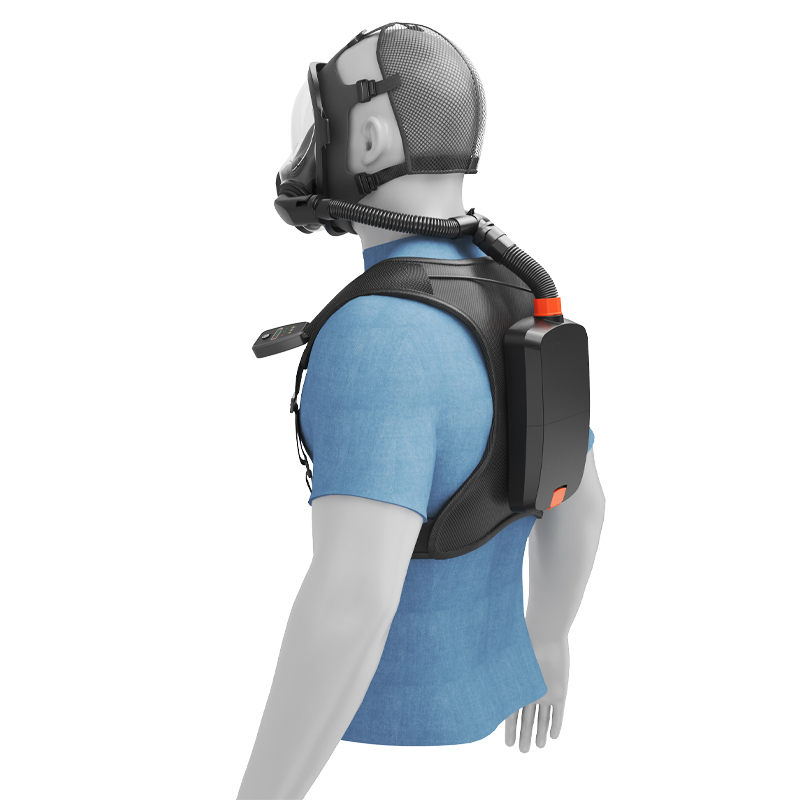



 Rede IPv6 suportada