Jan 20, 2026
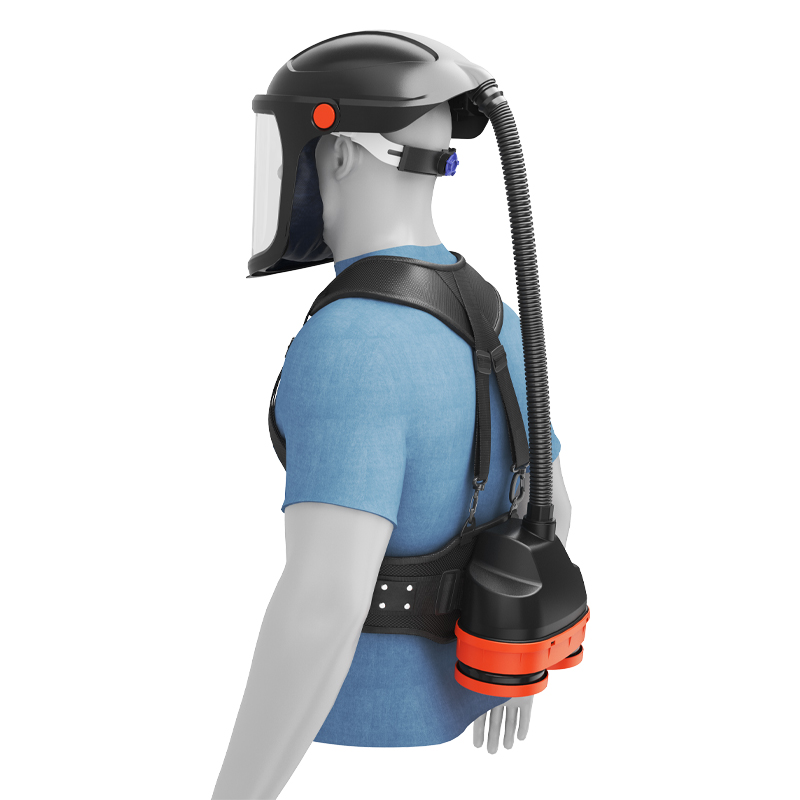
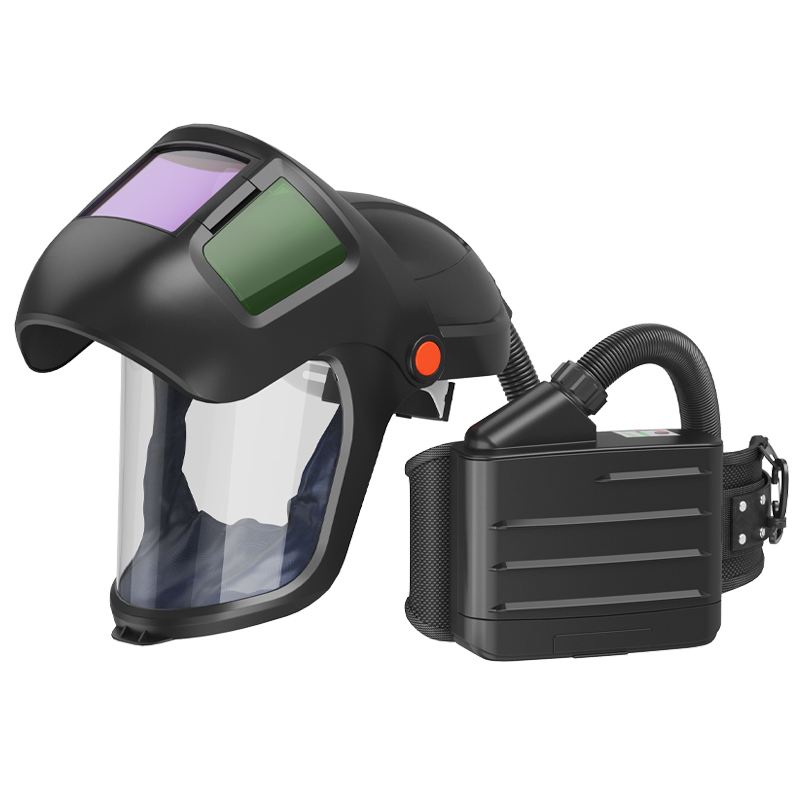
O trabalho de demolição envolve ambientes complexos e variáveis. Desde a derrubada de paredes de edifícios antigos até o desmantelamento de instalações industriais, poluentes como poeira, gases nocivos e compostos orgânicos voláteis (COVs) são onipresentes, impondo exigências extremamente elevadas à proteção respiratória dos trabalhadores. respirador alimentado por bateria Os respiradores com purificação de ar motorizada (PAPR) tornaram-se equipamentos de proteção essenciais em trabalhos de demolição devido às suas vantagens de proteção por pressão positiva e baixa carga respiratória. No entanto, nem todos os PAPRs são adequados para todos os cenários; selecionar o tipo certo é fundamental para construir uma linha de defesa sólida para a segurança respiratória. Comparados aos respiradores tradicionais de pressão negativa, os PAPRs fornecem ar ativamente por meio de um ventilador elétrico, o que não só reduz a fadiga respiratória durante operações de alta intensidade, como também impede o vazamento de poluentes através do ambiente de pressão positiva dentro da máscara, melhorando significativamente a confiabilidade da proteção. Para operações gerais de demolição que geram poeira, recomenda-se o uso de respiradores purificadores de ar motorizados (PAPR) com filtro de partículas. Essas operações geralmente envolvem a demolição de concreto, alvenaria, madeira e outros componentes, sendo a poeira respirável — especialmente partículas finas PM2,5 — o principal poluente. A inalação prolongada pode facilmente causar pneumoconiose. Ao selecionar um modelo, devem ser utilizados filtros de partículas de alta eficiência (HEPF), e a máscara pode ser escolhida com base nas necessidades de flexibilidade operacional. Para ambientes externos, como a quebra de paredes e a demolição de pisos, os PAPR com capuz e alimentação de ar são mais adequados. Eles não exigem teste de vedação facial, oferecem alta adaptabilidade e também podem fornecer proteção contra impactos na cabeça. Para espaços de trabalho estreitos com concentrações extremamente altas de poeira, recomenda-se o uso de PAPR de rosto inteiro com vedação hermética, que possuem uma vazão de ar mínima de 95 L/min, formando uma vedação completa no rosto para evitar a entrada de poeira pelas frestas. Para operações de demolição que envolvam gases nocivos, são necessários respiradores purificadores de ar motorizados (PAPR) com filtragem combinada. Durante a demolição de edifícios antigos, compostos orgânicos voláteis, como formaldeído e benzeno, são emitidos por tintas e revestimentos, enquanto o desmantelamento de instalações industriais pode deixar gases tóxicos, como amônia e cloro. Nesses casos, um PAPR com filtragem apenas de partículas não atende às necessidades de proteção. Devem ser utilizados elementos filtrantes duplos (partículas + gases/vapores), com seleção precisa com base nos tipos de poluentes: cartuchos de filtro de carvão ativado para vapores orgânicos e elementos filtrantes de adsorção química para gases ácidos. Para esses cenários, os PAPRs com pressão positiva e vedação hermética são preferíveis. Combinados com o fornecimento de ar forçado, eles não apenas filtram eficazmente os gases nocivos, mas também reduzem o resíduo de poluentes dentro da máscara por meio do fornecimento contínuo de ar, evitando riscos de intoxicação causados por vazamentos na máscara. Cenários especiais exigem a seleção criteriosa de profissionais dedicados. respiradores purificadores de ar motorizados de ajuste soltoA demolição de componentes que contêm amianto é uma operação de alto risco — uma vez inaladas, as fibras de amianto causam danos pulmonares irreversíveis. Devem ser utilizados respiradores com purificação de ar motorizada (PAPR) que atendam aos padrões de proteção contra amianto, juntamente com filtros HEPA de alta eficiência. Além disso, devem ser adotados modelos com capuz para evitar vazamento de fibras devido ao uso inadequado de máscaras bem ajustadas. O capuz deve ser usado com vestimentas de proteção química para garantir proteção completa do corpo. Para demolições em espaços confinados, como porões e poços de tubulação, os níveis de oxigênio devem ser testados previamente. Se a concentração de oxigênio for igual ou superior a 19% (ambiente não IDLH), podem ser utilizados respiradores portáteis com pressão positiva e sistemas de ventilação forçada. Se houver risco de deficiência de oxigênio, devem ser utilizados respiradores com suprimento de ar em vez de depender de PAPRs. A seleção de respiradores com purificador de ar motorizado (PAPR) deve equilibrar a conformidade com as normas e a praticidade operacional. Ajustes também devem ser feitos com base na intensidade do trabalho: a maioria dos trabalhos de demolição é de intensidade moderada a alta, portanto, Respirador purificador de ar motorizado TH3 São mais eficazes na redução do esforço respiratório, evitando que os trabalhadores removam os equipamentos de proteção individual devido à fadiga. A duração da bateria deve ser compatível com a duração da operação — para operações externas de longa duração, recomenda-se o uso de baterias substituíveis para garantir proteção ininterrupta. Além disso, os elementos filtrantes devem ser substituídos rigorosamente dentro do prazo: os cartuchos de filtro de gás devem ser substituídos em até 6 meses após a abertura, ou imediatamente se ocorrerem odores ou aumento da resistência, para evitar falhas na proteção. Por fim, é importante ressaltar que os respiradores purificadores de ar motorizados (PAPR) não são equipamentos de proteção universais e seu uso deve ser baseado em uma avaliação de risco abrangente. Antes de qualquer trabalho de demolição, devem ser realizados testes no local para identificar os tipos de poluentes, suas concentrações e as características ambientais, seguidos da seleção do tipo de PAPR mais adequado para cada situação. Somente selecionando e utilizando os PAPRs corretamente é possível criar uma barreira confiável para a saúde respiratória em trabalhos complexos de demolição, equilibrando eficiência operacional e segurança. Para saber mais, clique aqui. www.newairsafety.com.
LEIA MAIS




 Rede IPv6 suportada